
Stepper Motor vs. Servo Motor: Key Differences and Insights for Wholesale Factories
At Zhongshan SANl Transmission Technology Co., Ltd., we specialize in manufacturing high-quality stepper and servo motors tailored to meet the needs of various industries. Our products are engineered for reliability and efficiency, making them perfect for both intricate machinery and straightforward devices. Committed to excellence and customer satisfaction, we strive to enhance your production capabilities and ensure your projects operate seamlessly. Partner with us to experience exceptional performance and support.
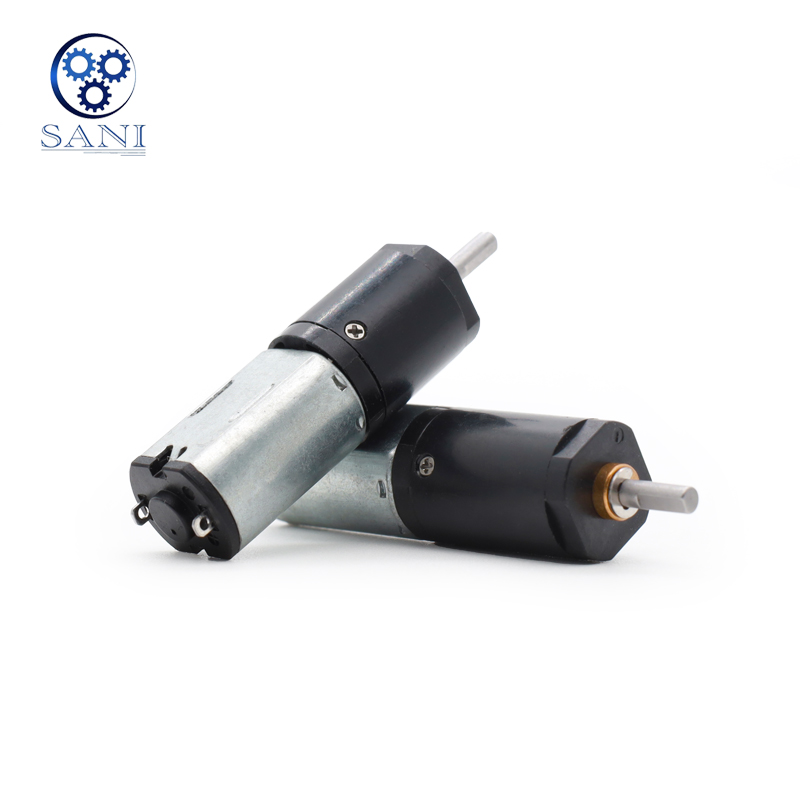


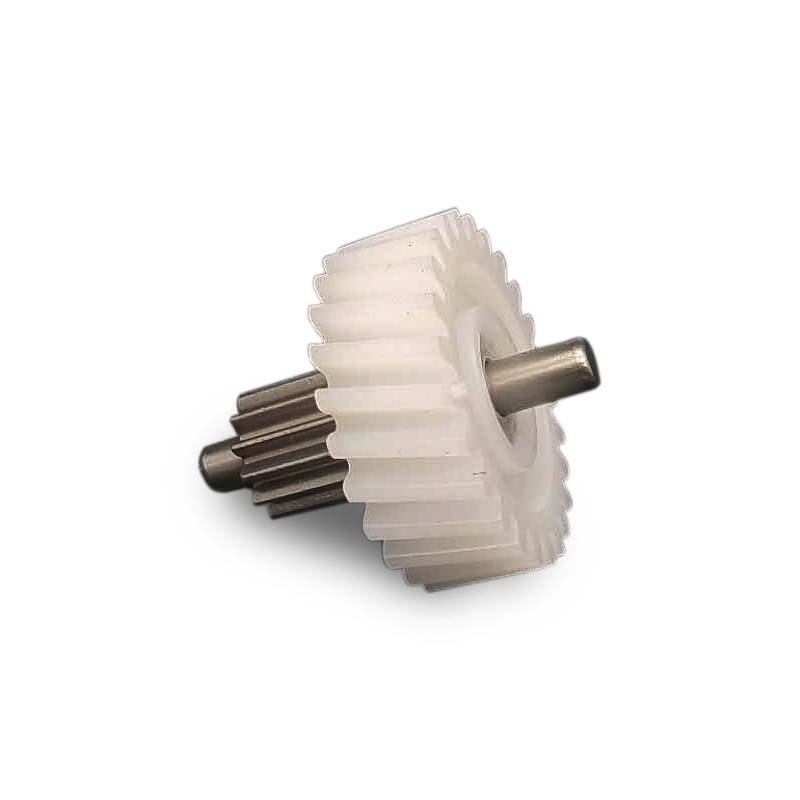

Premier Difference Between A Stepper Motor And A Servo Motor Ahead of the Curve Sets the Industry Standard
In the ever-evolving landscape of modern manufacturing, understanding the nuances between different motor technologies is crucial for industries ranging from automotive to smart furniture. Two commonly used motor types, stepper motors and Servo Motors, offer distinct advantages that can significantly affect the performance and efficiency of various applications. While both play critical roles in automation and precision control, recognizing their differences can help global purchasers make informed decisions tailored to their specific needs. Stepper motors, known for their ability to move in precise increments, are ideal for applications requiring accurate positioning without the need for complex feedback systems. This makes them a preferred choice in scenarios such as 3D printing and simple robotic applications, where straightforward control is essential. On the other hand, Servo Motors excel in scenarios demanding higher speed and quicker response times, as they utilize closed-loop feedback systems to adjust and maintain accurate positioning even under varying loads. This feature makes them indispensable in high-performance environments like robotics and CNC machinery, where performance benchmarks are rigorous. As industries increasingly prioritize high-precision components in their products, the choice between stepper and Servo Motors becomes critical. By aligning motor selection with application requirements, global procurement professionals can enhance product quality and operational efficiency. Ultimately, staying ahead of the curve in motor technology not only sets the industry standard but also drives innovation across sectors, offering competitive advantages in the rapidly changing marketplace.
Premier Difference Between A Stepper Motor And A Servo Motor Ahead of the Curve Sets the Industry Standard
| Feature | Stepper Motor | Servo Motor |
|---|---|---|
| Control Type | Open-loop control | Closed-loop control |
| Positioning Accuracy | Low to moderate | High |
| Torque Characteristics | Consistent at low speeds | Varies with speed |
| Speed Range | Generally slower | Higher speeds possible |
| Feedback System | No feedback | Yes, usually with encoders |
| Typical Applications | Printers, CNC machines | Robotics, CNC, aerospace |
| Cost | Generally lower | Generally higher |


Top Picks For Difference Between A Stepper Motor And A Servo Motor Service Products


S
Sophia Chen
I was impressed by the exceptional customer service. They went above and beyond to ensure I was satisfied.
01 June 2025
L
Lucas Nelson
Great quality and reliable service. The representatives were knowledgeable and efficient.
12 June 2025
L
Luna Baker
Quality product and excellent customer service! The team was very professional and responsive.
17 May 2025
E
Ella Harris
Fantastic purchase! I was pleasantly surprised by the quality and service response.
02 June 2025
L
Lucas Adams
Quality is fantastic! The service personnel were reliable and friendly.
24 May 2025
A
Aria Thompson
Very satisfied with the quality! Their after-sales team is top-notch.
11 June 2025