Inquiry
Leave Your Message

How to Choose the Right Stepper Gearbox for Your Project?

Choosing the right Stepper Gearbox for your project isn't a simple task. It requires careful consideration of various factors. Different gearboxes have unique features, and understanding these is crucial.

A well-chosen Stepper Gearbox can enhance performance significantly. It affects precision, torque, and speed in your applications. Evaluating your project’s specific needs is essential. Misalignment can lead to inefficiencies and increase wear on components.

Consider the load requirements and operational environment. Each project has unique characteristics that may not fit standard solutions. Experimenting with different options can yield better results. Trust your instincts but rely on expert advice. Make informed choices to avoid costly mistakes.
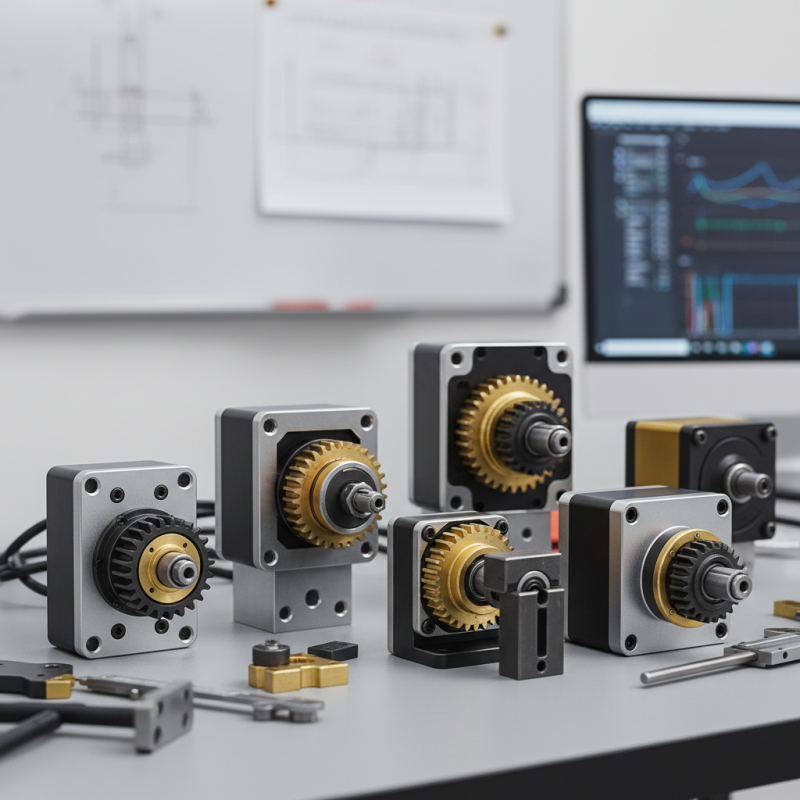
How to Choose the Right Stepper Gearbox for Your Project?

Understanding Stepper Gearbox Basics

When selecting the right stepper gearbox for your project, understanding the basics is crucial. A stepper gearbox combines a stepper motor with a gear reduction system. This relationship increases torque and precision. According to industry reports, gearboxes can enhance torque by 20-50%. This is essential in applications such as robotics and CNC machinery, where exact movements matter.

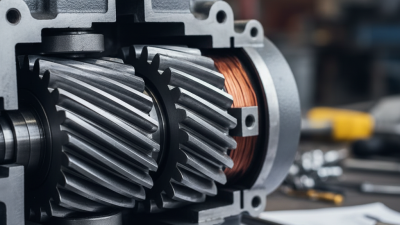
A common configuration includes planetary and helical gears. Planetary gearboxes are compact and efficient. They maintain a high degree of reliability under load. However, they may require careful alignment during installation. On the other hand, helical gearboxes are known for their smooth operation, but they might generate more heat. Choosing the right type depends on the performance requirements of your project.

Many engineers overlook gearbox backlash. This phenomenon can decrease accuracy. According to a recent study, backlash can range from negligible to several degrees, affecting precision. Awareness of each component's role in your application will lead to informed decisions. Evaluating your project's specific needs and constraints is vital for success.
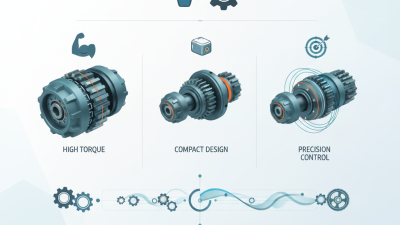

Identifying Project Requirements for Gearbox Selection

When selecting the right stepper gearbox for your project, it's crucial to thoroughly identify your project requirements. Various factors play a role in this decision-making process. For instance, considering the torque and speed curve of your application can guide you towards the appropriate gearbox. According to industry reports, about 30% of projects face delays due to misaligned gearbox specifications. Therefore, defining your performance needs is essential.

One important factor is load requirements. Understanding how much weight the gearbox will handle can significantly impact your selection. Utilize torque calculations based on the expected load. A small miscalculation can lead to machine failure or efficiency loss. Always review these parameters with a critical eye.

Tips: Always test your chosen gearbox under actual working conditions. This can reveal potential weaknesses. Seek feedback from industry experts to validate your decisions. Small adjustments in specifications can lead to substantial improvements.

Don't overlook the environmental conditions where the gearbox will operate. Factors like temperature and humidity can affect performance. Industry studies show that over 25% of gearbox failures are due to environmental stressors. Reassessing these conditions can protect the longevity of your equipment.

How to Choose the Right Stepper Gearbox for Your Project? - Identifying Project Requirements for Gearbox Selection

Project Requirement Recommended Gearbox Type Torque Rating (Nm) Gear Ratio Efficiency (%) Mounting Type
High Precision Positioning Planetary Gearbox 2.5 10:1 90 Flange Mount
High Torque Applications Helical Gearbox 5.0 20:1 85 B5 Mount
Compact Designs Spur Gearbox 1.5 5:1 80 Side Mount
High Speed Requirements Cycloidal Gearbox 3.0 3:1 95 Foot Mount

Evaluating Gearbox Specifications and Features

When selecting a stepper gearbox, evaluating its specifications is crucial. Gear ratios play a significant role in determining the precision of motion control. A common ratio for stepper applications is 3:1 to 10:1. This range allows for balanced torque and speed, making it suitable for various projects. According to industry reports, gearboxes with a higher ratio provide better torque but may reduce speed. Understanding your project's requirements helps in making a reliable choice.

Material and construction also impact performance. Aluminum and steel are common materials in gearbox manufacturing. Aluminum offers lightweight benefits, while steel provides durability. A report from the Gearbox Manufacturers Association highlights that high-strength steel can improve lifespan by up to 40%. Evaluating the housing design is vital too. Proper sealing protects against contaminants, enhancing reliability in harsh environments.

Noise and vibration levels are often overlooked but hold great importance. A well-designed gearbox minimizes these issues, thus improving overall efficiency. Inaccurate noise levels can lead to additional maintenance costs over time. A 2022 study revealed that poorly designed gearboxes increased operational noise by up to 30%. Careful consideration of these factors leads to a more successful gear selection, directly influencing the project's outcome.

Step Comparison of Different Gearbox Types

Comparing Material and Build Quality of Stepper Gearboxes

How to Choose the Right Stepper Gearbox for Your Project?

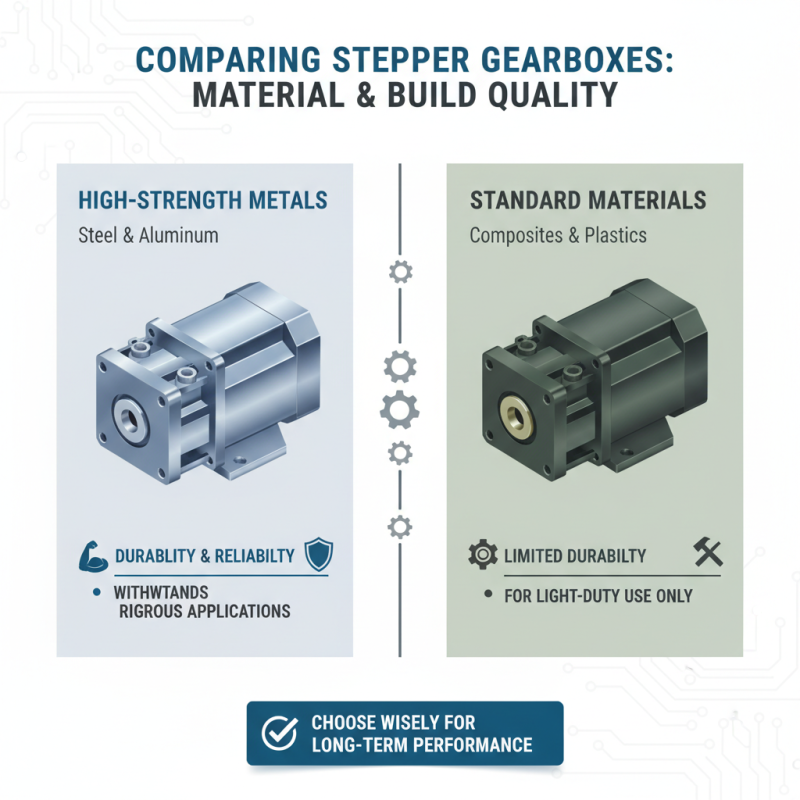
When selecting a stepper gearbox, material and build quality are critical factors. Gearboxes made from high-strength metals typically offer better durability. For rigorous applications, look for steel or aluminum components. These materials withstand stress and provide long-term reliability.

Plastic gearboxes may be lighter and cheaper, but they often lack robustness. In precision tasks, they can wear out quickly. It's essential to assess the expected load and operating environment before deciding. A poorly chosen gearbox can result in failure, affecting your project's success.

Additionally, pay attention to the manufacturing process. Precision machining ensures better fit and less friction. Bearings should be of high quality for smooth operation. If the design appears flimsy, it probably is. Evaluate user reviews, but remember, every project has unique needs and challenges.

Assessing Compatibility with Your Stepper Motor and Application

Choosing the right stepper gearbox requires careful consideration of compatibility with your stepper motor and specific application. According to industry reports, over 60% of motor failures stem from mismatches in gearboxes. Each stepper motor has unique torque and speed characteristics. Ensure the gearbox can handle these specifications without exceeding the motor's limits.

One critical factor is the gear ratio. A higher ratio can provide greater torque but may reduce speed. For instance, a 10:1 ratio increases torque by the same factor, but speeds drop accordingly. Research indicates that achieving the right balance can enhance efficiency by up to 30%. However, users must avoid over-calibrating. It's tempting to choose a higher ratio for torque, but this may lead to overheating and mechanical failure.

Additionally, mechanical design plays a vital role. The gearbox must fit physically within your project layout. Misalignment can cause increased wear and tear. According to studies, improperly aligned gearboxes can experience a 25% reduction in lifespan. Understanding the operational environment—temperature, load, and motion dynamics—ensures that your chosen gearbox remains reliable and efficient.